Managing money can feel confusing at first, especially if you are trying to budget for the first time. However, using the best budgeting apps for beginners can make money management much easier. Instead of guessing where your money goes every month, budgeting apps help you track expenses, control spending, and build smarter financial habits.
Moreover, many people struggle with overspending because they do not monitor their daily expenses. As a result, saving money becomes difficult. Fortunately, budgeting apps simplify the process by organizing spending into categories and helping users stay on track.
In this guide, you will discover the best budgeting apps for beginners in 2026, compare their features, and learn which option works best based on your financial goals. Additionally, you will understand what features matter most when choosing your first budgeting app.
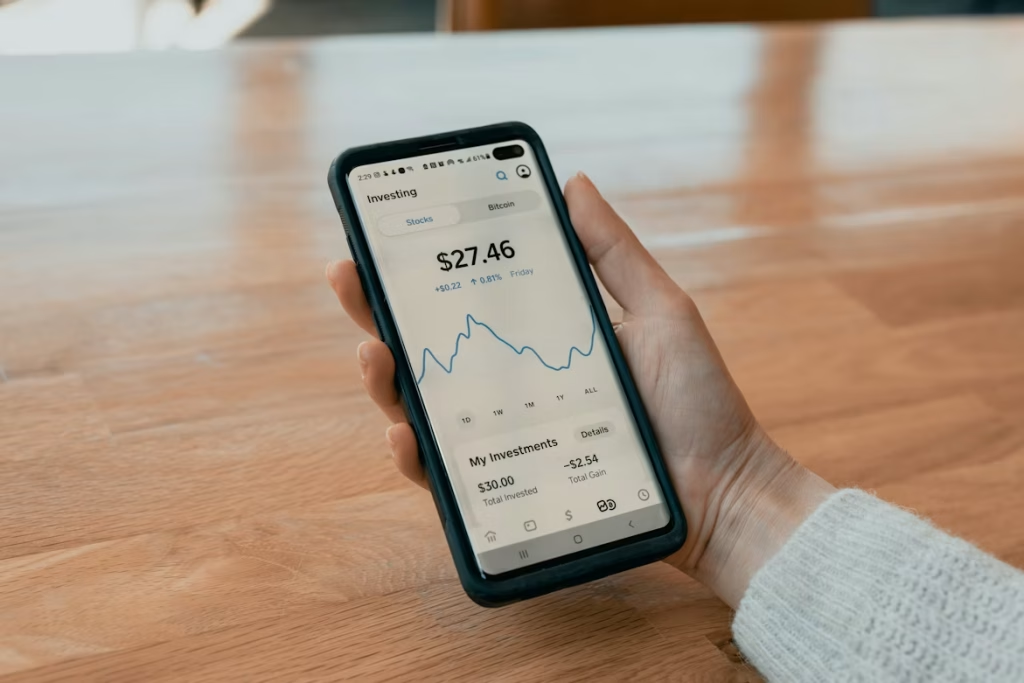
Why the Best Budgeting Apps for Beginners Matter
Budgeting can feel overwhelming in the beginning. Nevertheless, the right app can simplify everything.
For example, budgeting apps automatically organize your spending into categories like groceries, transportation, rent, subscriptions, and entertainment. Consequently, you can quickly identify where most of your money goes.
Additionally, using a budgeting app helps beginners:
- Track monthly expenses
- Build better spending habits
- Save money consistently
- Avoid unnecessary purchases
- Set savings goals
- Stay accountable financially
Because of these benefits, many people find it easier to manage money with an app than with spreadsheets or notebooks.
What to Look for in Budgeting Apps for Beginners
Before downloading any app, it is important to understand what features matter most. While some apps focus on expense tracking, others prioritize savings goals or debt repayment.
Here are the most important things beginners should consider:
Easy Navigation for Beginner Budgeting Apps
Beginners should avoid complicated budgeting systems. Instead, choose apps with simple dashboards and clear spending categories.
Expense Tracking Features in the Best Budgeting Apps for Beginners
A quality budgeting app should help you monitor spending automatically or manually. As a result, you become more aware of your financial habits.
Budget Categories for Beginner Budgeting Apps
Look for apps that separate expenses into categories such as food, transportation, bills, and savings.
Savings Goals in Beginner Budgeting Apps
Many budgeting tools help users set financial goals. For instance, you may want to save for an emergency fund, vacation, or debt repayment.
Free Features in Beginner Budgeting Apps
Although premium tools offer advanced features, free budgeting apps often provide enough functionality for beginners.
Security
Because budgeting apps handle sensitive information, secure logins and encrypted data are essential.
1. YNAB
YNAB, also known as “You Need A Budget,” is one of the most popular budgeting apps available today. Although it may feel advanced at first, it teaches strong money habits over time.
Instead of simply tracking spending, YNAB encourages users to assign every dollar a purpose. Consequently, users become more intentional with money.
Additionally, YNAB helps beginners plan ahead instead of reacting to expenses after they happen.
Pros of the Best Budgeting Apps for Beginners
- Strong budgeting system
- Goal-setting tools
- Helps build discipline
Cons
- Paid subscription
- Slight learning curve
2. Goodbudget
Goodbudget follows the envelope budgeting method. In other words, users divide money into virtual spending envelopes.
For example, you can create separate categories for groceries, entertainment, transportation, and savings. Therefore, spending becomes easier to control.
Moreover, Goodbudget works well for people trying to stop overspending.
Pros
- Beginner-friendly
- Great for planning expenses
- Helps control spending
Cons
- Requires manual expense tracking
3. PocketGuard
PocketGuard simplifies budgeting by showing how much money remains after paying bills and savings goals.
As a result, users instantly know how much money they can safely spend.
Additionally, the app tracks recurring subscriptions, which can help beginners cut unnecessary monthly expenses.
Pros
- Easy to understand
- Subscription tracking
- Spending alerts
Cons
- Some premium features require payment
4. EveryDollar
EveryDollar follows a zero-based budgeting strategy. This means every dollar gets assigned a purpose before spending begins.
Consequently, beginners gain more control over monthly finances.
Furthermore, the app offers a clean design, making budgeting feel less stressful for new users.
Pros
- Simple dashboard
- Good for monthly planning
- Encourages financial discipline
Cons
- Limited automation on free plan
5. Spendee
Spendee is ideal for people who prefer visual budgeting tools. Because the app uses colorful charts and expense categories, users can quickly understand spending habits.
For example, beginners can easily identify if too much money goes toward dining out or shopping.
Pros
- Easy-to-read charts
- Shared budgeting option
- Great visual tracking
Cons
- Limited free features
6. Money Manager
Money Manager is another excellent option for beginners who want a simple way to track spending. Unlike some advanced budgeting platforms, this app focuses on straightforward expense management.
As a result, users can quickly understand where money goes each month without feeling overwhelmed.
Furthermore, Money Manager allows users to create spending reports. Therefore, it becomes easier to identify bad financial habits and improve budgeting decisions over time.
Pros
- Beginner-friendly interface
- Expense reports and charts
- Easy monthly tracking
Cons
- Some features may feel basic for advanced users
7. FreeBudget: Simple Budgeting Tool for Beginners
While many budgeting apps offer advanced features, some beginners prefer a more straightforward way to manage money without complexity.
For users who want a clean and easy budgeting experience, FreeBudget can be a practical option for tracking expenses and organizing monthly spending.
In addition, it helps beginners build better financial awareness by focusing on essential budgeting habits such as expense tracking and simple budget planning.
As a result, it works well for users who want a simple starting point before moving to more advanced budgeting apps.
Pros
- Easy-to-use budgeting interface
- Simple expense tracking
- Beginner-friendly design
Cons
Limited advanced financial features compared to premium apps
How to Choose the Best Budgeting Apps for Beginners
Choosing the best budgeting apps for beginners depends on your financial goals and spending habits. While one app may work perfectly for someone else, your needs may be different.
For example:
- If you want deeper budgeting education, YNAB may be the best option.
- If you prefer envelope budgeting, Goodbudget works well.
- If you want automatic spending insights, PocketGuard is helpful.
- If you enjoy structured monthly planning, EveryDollar may fit your needs.
- If you prefer visual charts, Spendee is a strong choice.
- If simplicity matters most, Money Manager can work well.
Because every person handles money differently, testing multiple apps can help you discover what feels easiest.
Common Mistakes Using the Best Budgeting Apps for Beginners
Even the best budgeting apps for beginners cannot improve finances without consistency. Therefore, avoiding common mistakes matters just as much as choosing the right app.
Ignoring Small Expenses
Many beginners focus only on big bills. However, small daily purchases often add up quickly.
For example, frequent coffee runs or food delivery can slowly damage a monthly budget.
Creating Unrealistic Budgets
Although saving money matters, strict budgets often fail.
Instead, start with realistic spending limits. Then, adjust gradually as budgeting habits improve.
Forgetting Savings Goals
Budgeting is not only about cutting expenses. In addition, it should help build savings for emergencies, debt repayment, or future purchases.
Not Reviewing Spending Regularly
Some people stop checking their budget after a few weeks. Consequently, overspending becomes harder to notice.
Instead, review your spending weekly to stay accountable.
Tips for Using the Best Budgeting Apps for Beginners
Downloading an app is only the first step. Nevertheless, consistent habits lead to better results.
Check Spending Daily
Reviewing expenses takes only a few minutes each day. However, it helps prevent surprise overspending.
Set Small Savings Goals
Instead of trying to save a huge amount immediately, begin with realistic targets.
For instance, saving a small amount weekly builds momentum and confidence.
Use Budget Alerts
Many apps offer spending reminders. Therefore, you can make adjustments before going over budget.
Review Your Budget Weekly
Weekly reviews help identify spending patterns. As a result, improving financial habits becomes easier over time.
Are Free Budgeting Apps Good Budgeting Apps for Beginners?
Many beginners assume paid apps are always better. However, free budgeting tools can still be extremely useful.
For example, if your goal is tracking expenses and learning better money habits, free apps often provide enough features.
On the other hand, premium apps may offer advanced reports, financial coaching, or investment tracking.
Because of this, beginners should usually start with a free option first. Then, if needed, they can upgrade later.
To get better results from budgeting apps and improve your overall money management skills, you may also find these guides helpful:
- Learn the basics with Budgeting for Beginners 2026: Simple Step-by-Step Guide
- If overspending is your main challenge, read How to Stop Overspending: Simple Budget Guide
- To better understand your habits, check Track Spending Habits: Simple Money Guide
- For long-term planning, use Budget Planner 2026: Save Money & Reach Goals
- To improve overall financial control, read How to Manage Your Money Wisely (Simple Guide 2026)
Final Thoughts
Finding the best budgeting apps for beginners can make money management much less stressful. Although budgeting may feel difficult in the beginning, the right app helps simplify the process.
Moreover, budgeting apps help users track spending, reduce unnecessary expenses, and stay focused on savings goals. Whether you choose YNAB, Goodbudget, PocketGuard, or a simpler budgeting option, consistency matters most.
Ultimately, building strong money habits takes time. Therefore, choose an app that matches your lifestyle, stay consistent, and continue improving your financial habits every month.

Leave a Reply