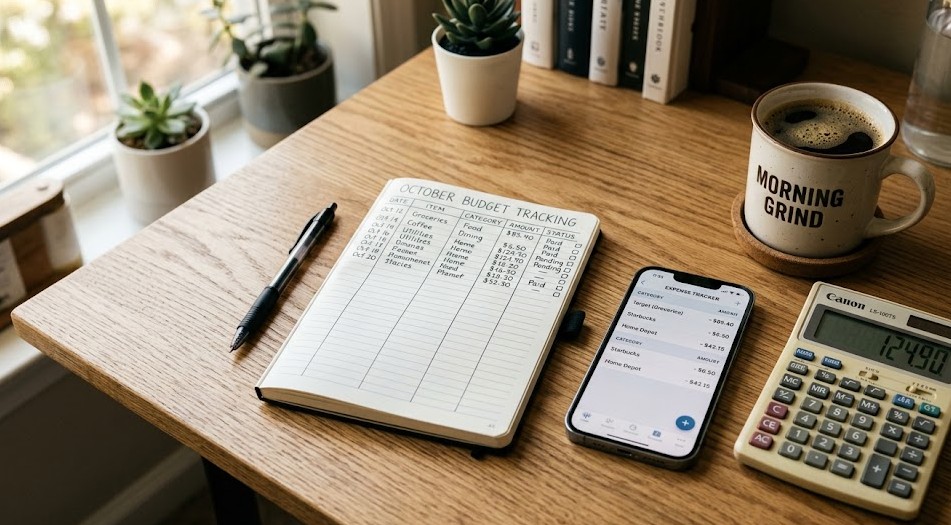
Learning how to track spending habits is one of the most practical ways to improve your money situation. In fact, many people do not struggle because they earn too little, but because they do not clearly understand where their money goes.
As a result, expenses often feel confusing. However, once you start tracking them, everything becomes clearer.
Moreover, when you keep track of your spending regularly, you begin to notice patterns you may have missed before. Therefore, better money decisions naturally follow.
Why Managing Your Money Better Matters?
To begin with, understanding your expenses helps you take control of your money. In addition, it allows you to see where your income is actually going.
For example:
- You may realize small purchases add up quickly
- You might notice unused subscriptions
- You could identify unnecessary spending habits
Consequently, this awareness leads to better money control over time.
For further reading, you can also visit:
https://www.consumerfinance.gov/consumer-tools/budgeting/
Step 1: How to Track Spending Habits by Recording Expenses
First and foremost, start by recording every expense you make to effectively track spending habits. Even though it may seem small, each purchase matters.
For instance:
- Coffee
- Transportation
- Online purchases
- Snacks
Additionally, consistency is more important than perfection. Even if you miss a few entries, continue tracking.
Step 2: Organizing Your Monthly Budget
Next, organize your expenses into simple categories. This step is important because it helps you understand your spending structure.
Typically, you can divide them into:
- Needs (bills, rent, groceries)
- Wants (entertainment, shopping)
- Savings (emergency fund, investments)
Furthermore, this breakdown makes financial planning much easier.

Step 3: Understanding Emotional Spending
At this point, it is important to understand behavior. Often, spending is emotional rather than logical.
For example:
- You may shop when stressed
- You might spend due to boredom
- Additionally, social influence can affect decisions
Therefore, recognizing these triggers helps you reduce unnecessary expenses.
For more insight:
https://www.investopedia.com/terms/b/behavioralfinance.asp
Step 4: Tools to Help You Track Spending Habits
After that, choose a method that fits your routine. Although there are many tools available, the best one is the one you will actually use consistently.
For example, you can try:
- Spreadsheets
- Notebooks
- Mobile apps
In particular, simple budgeting apps can make the process easier by automatically organizing your expenses and showing clear spending patterns. One example is FreeBudget, which is designed to help users track daily expenses and build better financial habits in a straightforward way.
👉 https://freebudget.thedevnomad.com/
Step 5: Setting Goals to Improve Spending Habits
Once you understand your spending, the next step is to set goals. Without goals, tracking has no direction.
For instance:
- Saving for emergencies
- Paying off debt
- Building long-term savings
In addition, clear goals help you stay motivated.

Step 6: Weekly Review of Your Spending Habits
After tracking for a while, review your progress weekly. This step is crucial because it shows whether you are improving.
Ask yourself:
- Did I overspend?
- If so, why did it happen?
- What can I change next week?
Regular reviews help you improve your ability to track spending habits more consistently over time.
Step 7: Improving Spending Habits Without Pressure
At this stage, it is important not to be too hard on yourself. Financial growth takes time.
Instead of feeling discouraged:
- Adjust your habits gradually
- Learn from mistakes
- Continue improving step by step
Therefore, progress becomes more sustainable.
Common Mistakes in Tracking Spending Habits
Even though tracking is simple, many people struggle with consistency. For example:
- They stop after a few days
- They ignore small expenses
- They set unrealistic budgets
However, avoiding these mistakes makes success more likely.
Understanding the Psychology Behind Spending Habits
Interestingly, spending is often emotional. In many cases, decisions are influenced by feelings rather than logic.
Common reasons include:
- Instant gratification
- Stress relief
- Social comparison
Therefore, awareness is key to better control.
Simple Budget Framework for Better Spending Habits
To make things easier, you can follow a basic structure:
- 50% needs
- 30% wants
- 20% savings
However, this can be adjusted depending on your situation.
Building Long-Term Spending Habits
Over time, consistent tracking leads to better habits. Gradually, you will notice:
- Less impulse spending
- Better savings discipline
- More money awareness
Therefore, small daily actions create long-term results.
Internal Resources
You may also explore:
External Resources
For further learning:
- https://www.nerdwallet.com/article/finance/how-to-budget
- https://www.investopedia.com/budgeting-4689729
Additionally, these guides offer deeper financial insights.
Frequently Asked Questions (FAQ)
What does it mean to track spending habits?
Tracking spending habits means recording and reviewing where your money goes on a daily or weekly basis. It helps you understand your expenses and identify areas where you can save.
Why is it important to track spending habits?
It is important because it gives you control over your money. When you know where your income is going, you can reduce unnecessary spending, save more, and make better financial decisions.
What is the easiest way to track spending habits?
The easiest way is to record every expense using a notebook, spreadsheet, or budgeting app. Consistency matters more than the tool you use.
Can apps help with tracking spending habits?
Yes, budgeting apps can make tracking easier by automatically categorizing your expenses and showing clear spending patterns. They help you stay organized and save time.
How often should I review my spending habits?
It is best to review your spending at least once a week. This helps you spot problems early and adjust your budget before small issues become bigger ones.
What are common mistakes when tracking spending habits?
Common mistakes include forgetting small expenses, stopping after a few days, and not reviewing progress regularly. These habits make it harder to improve financial control.
Can tracking spending habits help me save money?
Yes, tracking your spending helps you identify unnecessary expenses. Once you become aware of your habits, it becomes easier to cut costs and increase savings.
Final Thoughts on Track Spending Habits
In conclusion, mastering How to Track Your Spending and Build Better Money Habits is not about restriction. Instead, it is about awareness and consistency.
Once you understand your spending patterns, you gain control over your financial decisions. As a result, you build stronger habits, reduce stress, and improve long-term money stability.

Leave a Reply